“Ozempic Face” After GLP-1 Weight Loss: How Fat Transfer Restores Natural Facial Volume

GLP-1 medications have transformed the way people lose weight — but for some, fast fat loss can also lead to unexpected changes in the face.
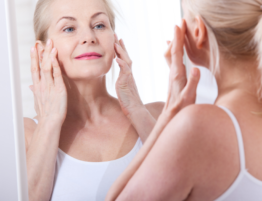
The term “Ozempic Face” describes facial hollowing or sagging that can appear after rapid weight loss with medications such as Ozempic® (semaglutide), Wegovy®, or Zepbound®. These changes are not caused by the medication itself, but by the loss of facial fat that once gave structure and youthful softness.
At Sadove Plastic Surgery, Dr. Richard Sadove uses autologous fat transfer — a process that uses your own purified fat — to restore volume safely and naturally.
Why the Face Changes After GLP-1 Weight Loss
When body weight decreases rapidly, the fat pads beneath the skin of the cheeks, temples, and jawline can shrink faster than the skin can tighten.
This loss of volume often leads to:
- Hollowed cheeks and temples
- Deepened folds or jowling
- Thinner skin and a “tired” appearance
Age and the speed of weight loss play major roles. Patients who lose weight quickly or have lower skin elasticity often notice more pronounced changes.
Why Choose Fat Transfer for “Ozempic Face”?
Unlike temporary fillers, fat transfer provides a living, natural solution using your own tissue. The results are soft, balanced, and long-lasting.
Benefits include:
- Natural and biocompatible: Your own living fat cells integrate with facial tissues.
- Comprehensive rejuvenation: Volume can be restored to multiple areas for overall balance — not just one spot.
- Improved skin texture: Fat transfer can subtly enhance skin tone and texture through regenerative effects.
- Long-lasting: While minor touch-ups are sometimes needed, results can last for years when weight remains stable.
How the Procedure Works
Step 1 — Gentle Harvest:
Dr. Sadove removes a small amount of fat from a donor area such as the abdomen, flanks, or thighs.
Step 2 — Purification:
The fat is processed to isolate healthy cells and remove excess fluid.
Step 3 — Precise Placement:
Using a fine cannula, Dr. Sadove injects small, even threads of fat into targeted facial areas for a smooth, natural restoration.
Recovery:
Most patients experience mild swelling and bruising for a few days. Final results appear gradually as swelling subsides.
When Is the Right Time to Treat?
For the most stable, lasting results, Dr. Sadove recommends waiting until your weight has plateaued. Once you’re on a maintenance plan and feeling stable in your new body, fat transfer can be performed safely and with predictable outcomes.
We’ll also coordinate with your prescribing clinician to ensure timing aligns with your GLP-1 medication schedule and overall health goals.
Am I a Good Candidate?
You may be a candidate for facial fat transfer if you have:
- Hollowed cheeks, temples, or under-eyes after weight loss
- Deepened facial folds or sagging skin
- Adequate donor fat for transfer
- Realistic expectations for subtle, natural improvement
Our Approach: Conservative and Personalized
Dr. Richard Sadove is a board-certified plastic surgeon with over 35 years of experience. He personally performs every treatment — never delegating injections or procedures to assistants or PAs.
His approach is conservative, precise, and hands-on. Each treatment plan is tailored to restore harmony without overfilling or exaggerating features.
If skin tightening or resurfacing is also needed, Dr. Sadove may combine these with fat grafting for a complete rejuvenation plan.
Safety and Experience Matter
Facial fat transfer is safe and effective when performed by an experienced surgeon. Dr. Sadove uses refined micro-cannula techniques, low pressure, and exact placement to minimize risk and maximize long-term retention.
Results and Longevity
You’ll notice improvement right away, with final results developing as swelling resolves. Because transferred fat becomes living tissue, results vary slightly by area — but many patients enjoy long-lasting improvement that ages naturally with them.
Some patients may opt for a touch-up once their weight and facial contours stabilize.
Schedule a Consultation
At Sadove Plastic Surgery, we offer both in-office and virtual consultations to make your evaluation convenient, whether you live locally or out of state.
Virtual Consultation
In-Person Consultation
Or call our office directly: 352-234-3334
Email: dr@richardsadove.com
FAQ: “Ozempic Face” & Fat Grafting
Q: Is “Ozempic Face” caused by the medication itself?
A: Not directly. It results from rapid fat loss, which can occur with any form of quick weight reduction.
Q: Should I stop my GLP-1 before treatment?
A: Do not stop on your own. We’ll coordinate with your prescribing clinician to determine the safest timing.
Q: How is fat transfer different from fillers?
A: Fillers are temporary and best for targeted areas. Fat transfer uses your own fat for full-face rejuvenation and longer-lasting results.
Q: How long do results last?
A: Transferred fat that survives becomes a permanent part of your facial tissue. Most patients enjoy results that last for years.
Q: When is the right time to schedule?
A: Once your weight has stabilized and your GLP-1 routine is consistent. This ensures predictable, balanced results.
Disclaimers & Attributions
Brand References:
Ozempic® and Wegovy® are registered trademarks of Novo Nordisk A/S. Zepbound® is a registered trademark of Eli Lilly and Company.
This article is educational only and not affiliated with or endorsed by the trademark owners.
Medical Disclaimer:
This content is for educational purposes only and does not replace personalized medical advice. Always discuss procedure candidacy, medication timing, and risks with qualified healthcare providers.
Ready to look like yourself again?
Rediscover a softer, more youthful version of you — naturally.
 Call: 352-234-3334
 Virtual Consultation: Book Online
 In-Office Appointment: Schedule Now
 Email: dr@richardsadove.com
 Learn more: SadovePlasticSurgery.com